1-ARTS OF ASWAN ASWAN MUSIC AND SINGING (NUBIAN):
Nubian music is an integral part of the Egyptian identity and an extension of the Pharos civilization, and is distinguished from other types of music known in the world as a five-note music based on a primitive form of music tool.
Nubians use singing to express their feelings and many important historical events. The Nubian language was severely weakened by the dispersion of Nubians, so that singing became responsible not only for expressing emotions and recording historical events, but also for preserving the Nubian language and culture threatened with oblivion.
The Nubian pentatonic music is generally composed of melody .and it is the melody that determines the melody and rhythm, Nubian music melodies are based on the tunes of the pentatonic scale, where Nubian music meets African and Middle Eastern music.
The basic rhythms in traditional Nubian music included (Kubash , Kitchad ) and (God Les Li) also called (Kenzi Rhythm), as well as other rhythms such as other rhythms such as ( Ski ), (Hall) and (Sparkling)
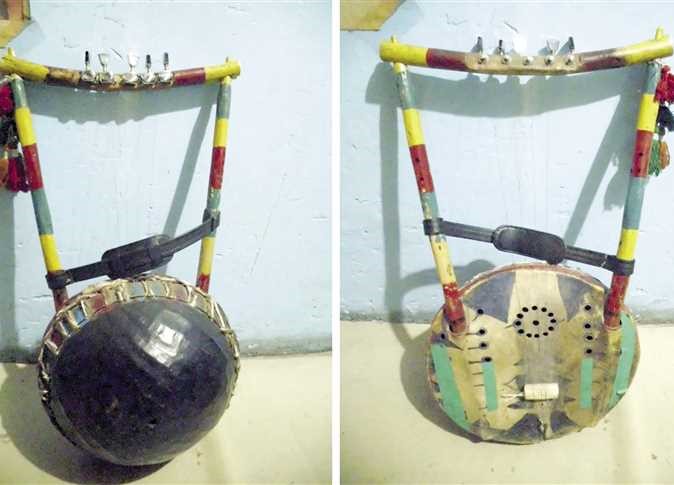
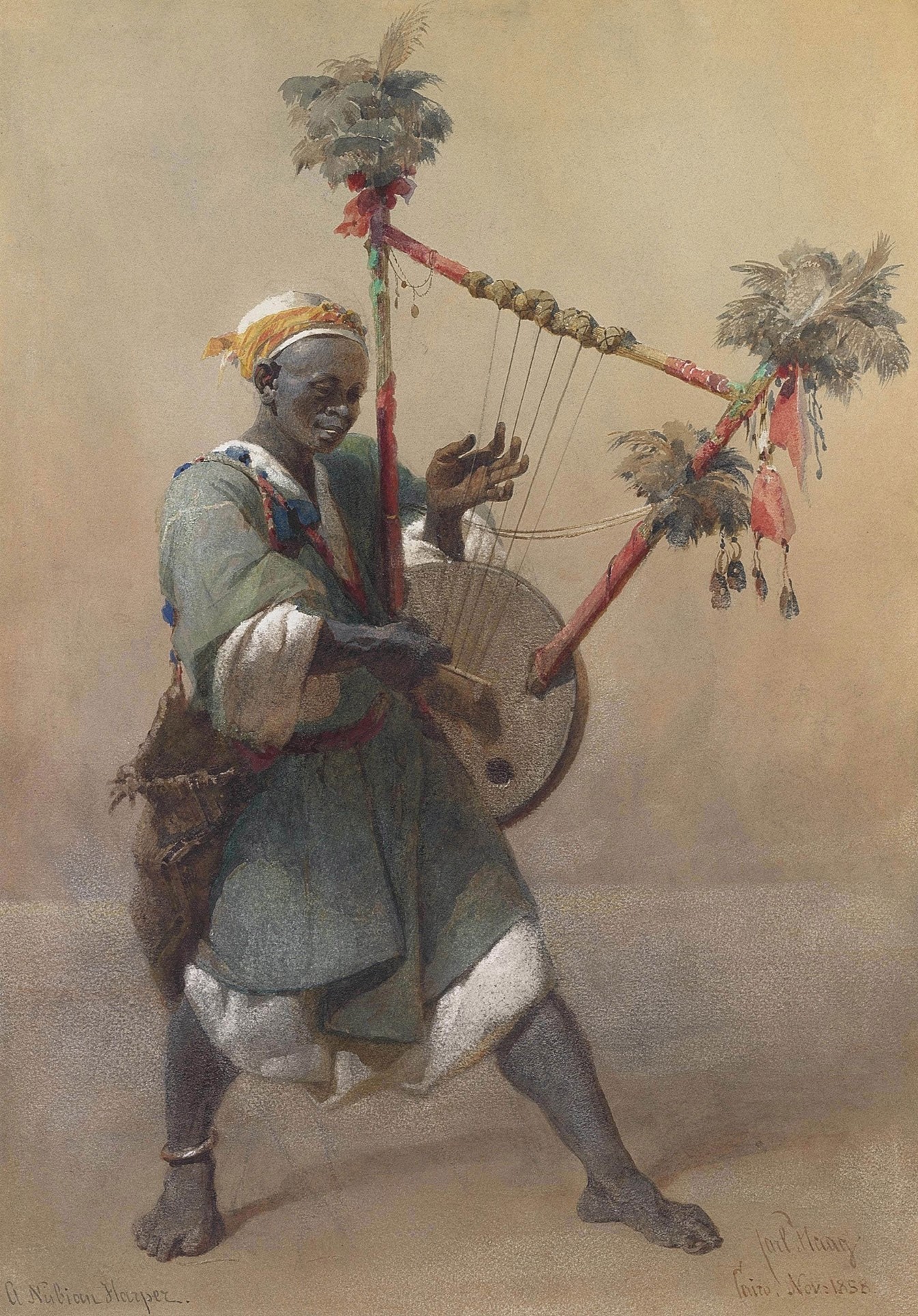
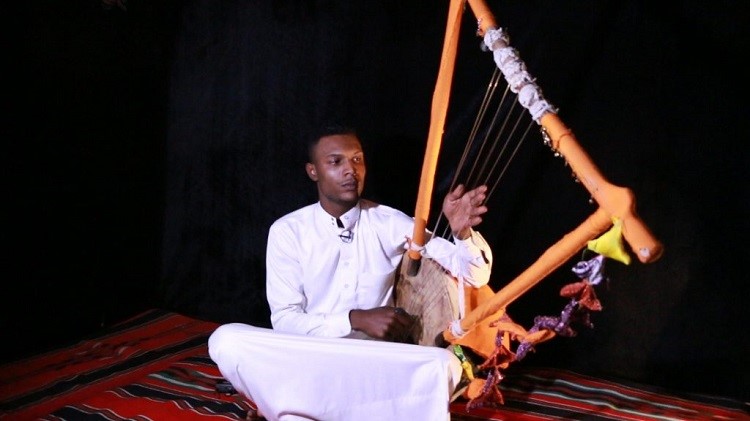
Tanbura ………. The basic of Nubian song:
(Tanbura in Nubian Language is a compound word made up of two parts (to), which means belly, and (bur), which means hollow,”and together they mean the part that contains a hollow belly”
The tanboura, which based on the pentagonal scale in the melody, is one of the oldest stringed musical instruments in the ancient Nubian civilization known in prehistoric times and was called “palace” and “canara” and is still made in the same form. Until now in the Aswan and Nubian regions, the people of the Suze Canal cities are called “Sesameya”
Tanbura is also mentioned in the lyrical literature of Nubia in northern Sudan, associated with the dance “krir”, a type of dance based on the rhythmic pairing between the bargain and the sound emitted from the throat.
“Nubian art, like other arts, has undergone great development by mixing it with Western musical genres such as rap. Nubian song. Between originality and modernity, the artist Ahmed Munib is called the “father of Nubian art”, because he is one of the most prominent pioneers of this art, and his beginnings were in 1954 with the establishment of the Nile Valley Radio, where he presented many Nubian heritage songs. Over time, she became an icon of Nubian art. Mohamed Mounir was a thematic extension of Ahmed Mounib’s music, as Mounir sang 45 songs composed by him in his first 10 albums, including “um Al-Dafayer”, “Aktamy” and “Fath Al-Qalb”. As for the singer Jawaher, who was famous for her braids, dark skin and the way she danced that distinguished her from others, she came as an advertisement for the culture of Nubian women in Sudan, and began her career with the song “Asmarika”, which achieved great success at that time. Nubian art, like other arts, has also undergone a great development by mixing it with Western musical genres. The band “Black Tima”, which includes both Amir Salahuddin, Ahmed Bahar and Mohamed Abdo, as the advanced Nubian face, to enable them to blend this culture with rap culture, through the album “Bahar”, which was released in 2010 and achieved great success.